


Sudden widespread shedding

A pre-existing tendency toward female pattern hair loss can become easier to see as overall density decreases.
More follicles enter the resting phase together, causing delayed shedding across the scalp.

Curls Locked In. All Day. Always.

Larger surface for bigger volume and faster styling on thick/long hair.
 BUYER PROTECTION (60-DAY GUARANTEE)
SCALP SCIENCE
Your trusted source for hair and scalp health



THE GLP-1 AND WEIGHT-LOSS HAIR GUIDE
GLP-1 medications such as semaglutide, rapid weight loss and aggressive calorie restriction can place the body under significant physical stress. Several months later, that stress may appear as sudden, widespread hair shedding.
Discover what may be happening inside the follicles, why ordinary hair products cannot address it and how to support the scalp while the body adjusts.

BOARD-CERTIFIED DERMATOLOGIST

Reading Time:
90 seconds

Thursday, Sept 2nd, 2026 | 10:00 am EST
Hair production requires energy, protein, vitamins and minerals. When calorie intake falls sharply or body weight changes rapidly, the body may redirect resources toward functions it considers more urgent.

Hair growth can temporarily become a lower priority.
This physical stress may push more follicles than usual out of active growth and into the resting phase, that is a phase in which the hairs remain attached for several months, so the effect is not immediate. When many resting hairs are eventually released at the same time, increased shedding appears across the entire scalp. This delayed, widespread shedding is called telogen effluvium.
The American Academy of Dermatology recognizes significant weight loss as a common trigger for excessive hair shedding.
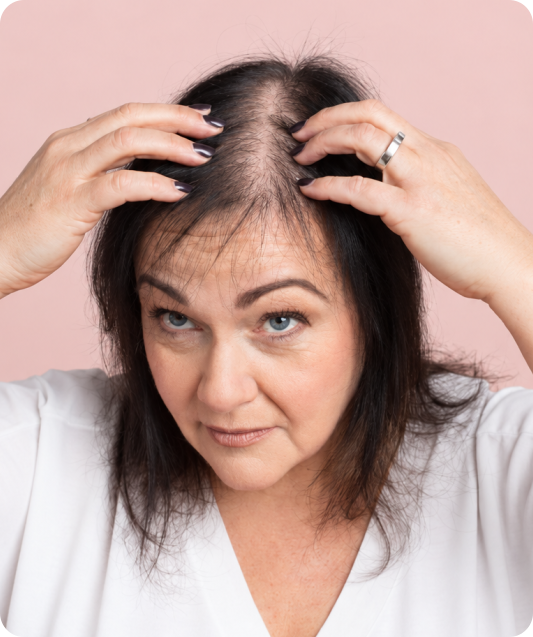
Hair loss has been reported by people using GLP-1 medications, including semaglutide and tirzepatide.
In weight-management trials, hair loss was reported by 30% of people using GLP-1. Alopecia also appears in postmarketing reports for Ozempic. These reports show a possible association.
Current research suggests several possible contributors:

Rapid or substantial weight loss

A major reduction in calories

Lower protein or micronutrient intake

Nausea or digestive symptoms that make eating difficult

The physical stress of a major metabolic change

An underlying hair-loss condition becoming more visible
A pre-existing tendency toward female pattern hair loss can become easier to see as overall density decreases.
More follicles enter the resting phase together, causing delayed shedding across the scalp.

A pre-existing tendency toward female pattern hair loss can become easier to see as overall density decreases.

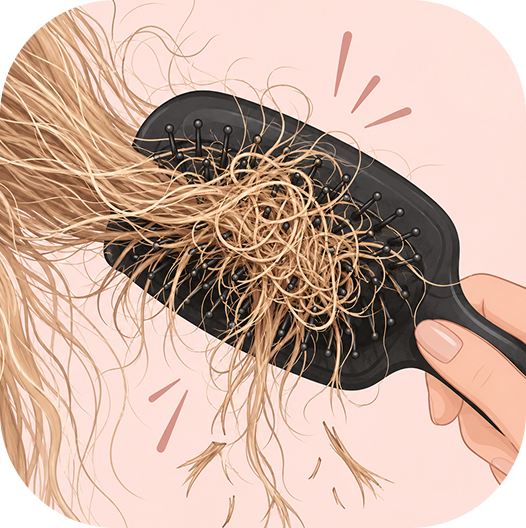
A noticeably larger amount may collect in the drain or come away during washing.
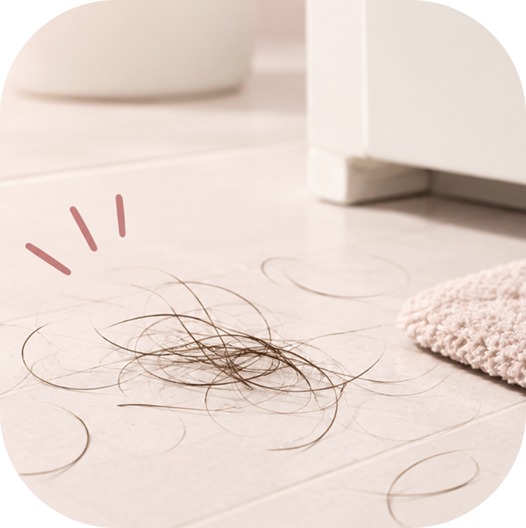
Loose strands may begin appearing on clothing, bedding, floors and bathroom surfaces.
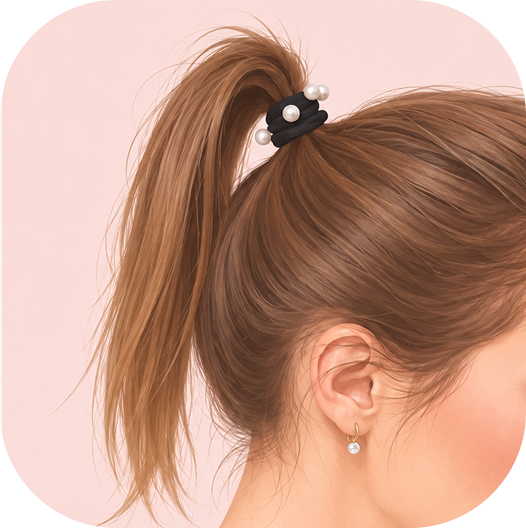
Widespread shedding can reduce ponytail thickness within a relatively short period.
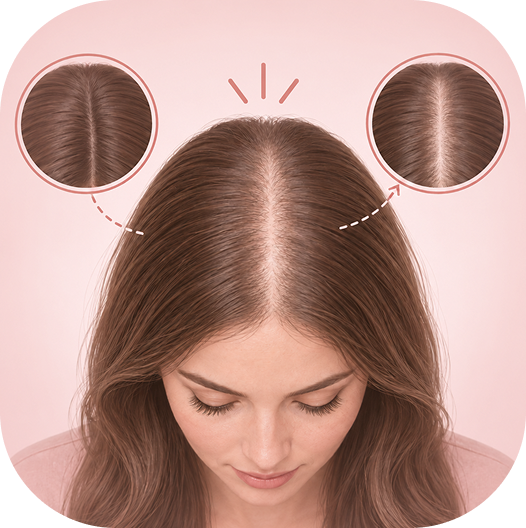
Reduced density may allow more scalp to show through the usual part.

When exposed to strong light, thinning hair may reveal more scalp than usual, indicating hair loss.
Hair may look flatter and provide less coverage without creating one obvious bald patch.
This may suggest that pattern thinning is occurring alongside the shedding.
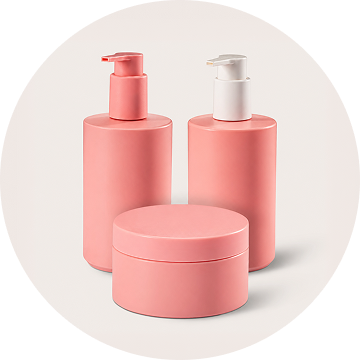
Many haircare brands sell a temporary cosmetic effect as though it were a solution for thinning hair.
The visible hair strand and the follicle producing it are two different things.
Shampoo cleans away oil, sweat and buildup. Conditioners, masks and styling serums leave a temporary coating over the strands.

But much of that effect is removed during the next wash.
The hair may look fuller immediately after a mask or thickening product, then appear flat and thin again once the coating disappears. That is because the product changed the surface of the existing strands, not the growth cycle inside the follicles.
Most masks and conditioners are also applied to the lengths rather than the scalp. If a serum stays on the hair and never reaches the scalp, it remains a styling product rather than focused scalp care.
💡 TEMPORARILY THICKENING A STRAND IS NOT THE SAME AS SUPPORTING THE SCALP WHERE IT BEGINS.
Rapid or unexpected weight loss places the body under significant physical stress.
If hair begins shedding, immediately adding minoxidil does not correct the weight-loss rate, reduced food intake or missing nutrients that may have disrupted the hair cycle.

It also creates another long-term treatment routine.
Minoxidil may cause increased shedding when first started,
and its benefits generally disappear after treatment stops.

Minoxidil can be highly toxic to animals, especially cats, even in very small amounts. Exposure may occur through spills, treated skin, applicators, or residue left on pillows and bedding.


Discuss the weight-loss rate and side effects with the prescriber
Make sure the body receives adequate calories, protein and nutrients
Identify whether the shedding is temporary or progressive
Use non-medicated botanical scalp care to support healthier-looking roots and reduce breakage while the body adjusts
While the underlying cause is being addressed, the scalp still deserves consistent care.

Keep the scalp feeling clean and comfortable

Avoid adding heavy buildup around the roots

Reduce the appearance of breakage

Apply ingredients directly to the scalp
Feel lightweight enough for regular use
We focused on botanical ingredients that offer clinically tested scalp support and have published research behind them. Rosemary, Korean ginseng, thuja leaf and
biotin each bring a documented scientific reason for being included in a root-focused routine.
These specific ingredients have published research connected with hair counts, cultured human follicles, follicle-cycle activity and normal hair biology.

In a six-month randomized trial involving 100 participants with hair loss, rosemary oil was compared with 2% minoxidil. Both groups experienced a significant increase in hair count after six months.

Laboratory research found that red ginseng extract increased hair-shaft elongation in cultured human follicles and supported dermal papilla cells involved in regulating the hair cycle.

In a human study, topical Thuja orientalis extract moved resting follicles into active growth earlier and increased follicle number and size.

Biotin is essential for normal cellular metabolism, and deficiency can cause thinning hair. Its supported cosmetic role is promoting the appearance of thicker, fuller-looking hair.

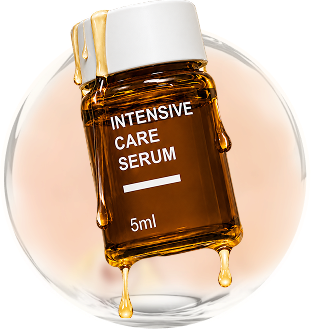

After comparing scalp serums, SLEEQ Hair Growth Serum 4-in-1 stood out because it combines rosemary, Korean ginseng, thuja leaf and biotin in one leave-in formula.
It is designed to support visibly fuller-looking hair, healthier-looking roots and reduced breakage without leaving the scalp oily or sticky.
The precision roller applicator helps distribute a light layer directly across the hairline, part and desired scalp areas instead of coating only the lengths.
SLEEQ does not claim to correct a calorie deficit, replace missing nutrients.. It provides the supportive, scalp-focused step that ordinary strand products often miss.
From sudden shedding during rapid weight loss to reduced density several months later, these women realized that shampoo, masks and styling products were only treating the visible strands.
They added focused scalp care while continuing to work with their clinicians on the underlying weight-loss, nutritional or medical factors.
During a GLP-1 Journey
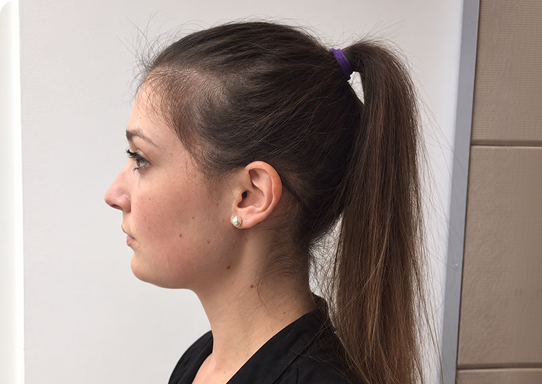

Feline Smith
“My hair seemed fine at first, but a few months later my ponytail felt noticeably thinner. I kept using masks and oils, then realized I needed to focus on my scalp too.”
Laura Shouse
“My hair had so much breakage from straightening and frequent heat. After using SLEEQ regularly, it feels stronger, looks denser, and I’m noticing far less visible breakage.”
After Rapid Weight Loss
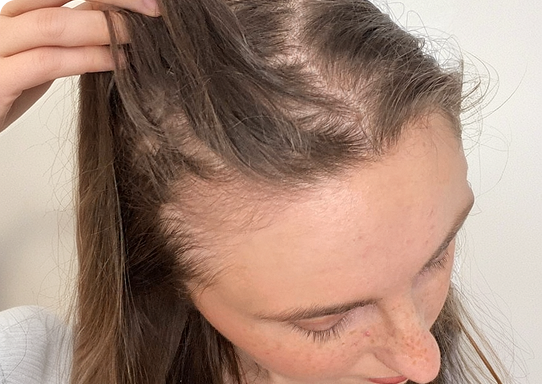
Stella Jansen
“I was happy with the weight loss, but I wasn’t expecting the shedding. My hair started feeling less full, so I added scalp care into my routine.”
Laura Shouse
“My hair had so much breakage from straightening and frequent heat. After using SLEEQ regularly, it feels stronger, looks denser, and I’m noticing far less visible breakage.”
Following an Aggressive Calorie Deficit
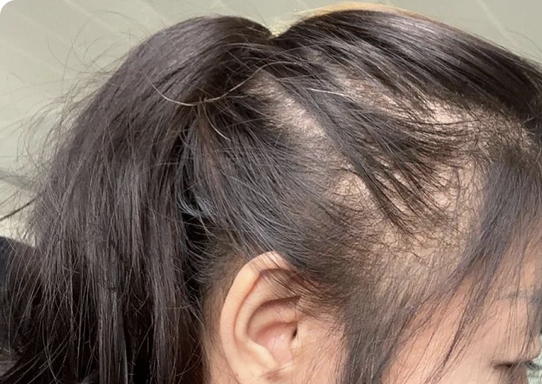
Lauren Brouwer
“I was in a pretty intense calorie deficit, and a few months later my hair started shedding more than usual. That’s when I knew I had to change my routine.”
Laura Shouse
“My hair had so much breakage from straightening and frequent heat. After using SLEEQ regularly, it feels stronger, looks denser, and I’m noticing far less visible breakage.”
When Delayed Shedding Appeared
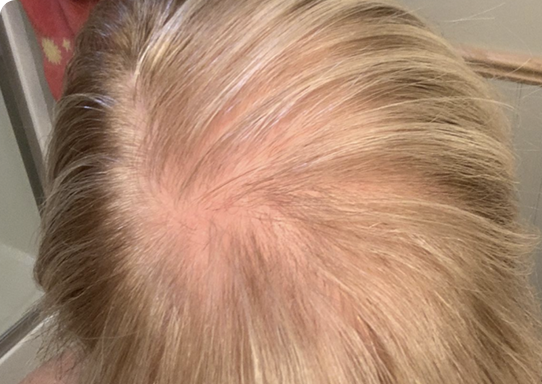
Dhya Visser
“The shedding didn’t happen right away. It showed up months later, which really caught me off guard.”
Laura Shouse
“My hair had so much breakage from straightening and frequent heat. After using SLEEQ regularly, it feels stronger, looks denser, and I’m noticing far less visible breakage.”
Real routines. Documented experiences. Individual results vary.


new hairs in 60 days*
non-oily + non-sticky
scalp + hair support
clinicians share SLEEQ
