



MONTH 0
The stressor hits
A deadline, illness, major life change or a stretch of poor sleep. More hairs than usual quietly shift into the resting phase.

Curls Locked In. All Day. Always.

Larger surface for bigger volume and faster styling on thick/long hair.
 BUYER PROTECTION (60-DAY GUARANTEE)
SCALP SCIENCE Your trusted source for hair health
THE BUSY WOMAN’S SCALP-CARE GUIDE
Long shifts, deadlines, nonstop responsibilities or dating can affect more than energy levels. Prolonged stress may disrupt the normal hair cycle, leading to increased shedding several months later.
Here is why stress-related shedding can feel so sudden, what warning signs to watch for and how to build a scalp-care routine that fits into a busy life.

THE DELAYED EFFECT
MONTH 0
A deadline, illness, major life change or a stretch of poor sleep. More hairs than usual quietly shift into the resting phase.
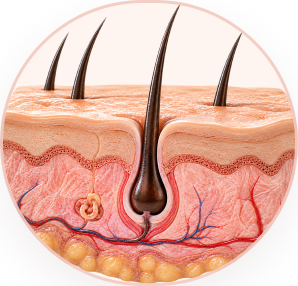
MONTHS 1–2
The resting hairs stay attached to the follicle. On the surface, nothing seems to have changed — so the link is easy to miss.
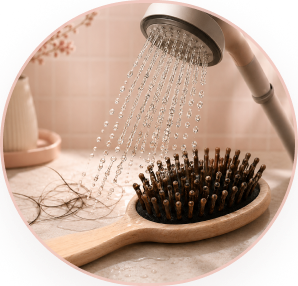
MONTHS 2–3+
The resting hairs release together. More hair appears in the shower, the brush and around the home — long after the stress passed.
WHY IT CAN FEEL LIKE IT HAPPENED OVERNIGHT


More hair collecting in the shower drain

A larger amount left in the brush

More strands on clothing or bedding

A ponytail that feels smaller

A part that appears wider

Less density around the hairline

Hair that becomes harder to style for volume
WHEN “BUSY” BECOMES THE BASELINE
Long-term stress from work, caregiving, poor sleep, or constant responsibility may start to feel normal, but the body can still respond to it.
Hair follicles are connected to nerves, immune cells, blood vessels, and stress-related signals, sometimes described as the “brain–hair follicle axis.” Ongoing stress may disrupt the follicle environment and push hairs out of the active growth phase earlier, with increased shedding appearing months later.
The exact relationship is still being studied, but current research supports a real biological connection between chronic stress and hair shedding.
THE PROBLEM WITH MOST BUSY-LIFE HAIR ROUTINES
Shampoo, conditioner, masks, and styling products can improve how hair looks and feels, but they mainly care for the strands. A scalp serum is designed to focus more directly on the scalp and roots, using thoughtfully selected ingredients with research behind them.
Botanical scalp care can also offer a non-medicated alternative for people who do not want to commit to treatments like minoxidil, whose benefits generally require continued use to maintain.
WHEN TIME IS LIMITED, SCALP CARE NEEDS TO BE
Quick to apply
Easy to target
Lightweight enough for regular use
Non-greasy around the roots
Leave-in, with no additional wash required
Formulated with ingredients chosen for scalp and hair support
WHY MINOXIDIL & ORDINARY SERUMS MAY MISS THE REAL PROBLEM
Minoxidil is an established treatment for pattern hair loss, but stress-related shedding is different. It is often triggered by an illness, nutritional problem, hormonal change or prolonged period of physical or emotional stress.
Applying minoxidil does not identify or remove that trigger. Research on its use for telogen effluvium remains limited and mixed, which is why it should not be treated as the automatic answer to every increase in shedding.
Minoxidil can also cause increased shedding when treatment begins. And there is another catch: stopping minoxidil can trigger what many people describe as a “rebound effect.” The hairs it helped regrow or maintain may shed over the following months, making the loss feel sudden and dramatic.
Ordinary hair serums can miss the point for another reason. Many are styling products designed to coat the strands, control frizz and add temporary shine. If the formula never reaches the scalp and contains no ingredients selected for scalp and root support, it is not providing a meaningful scalp-care step.
The better approach is to investigate the cause of persistent shedding while building a simple, consistent routine that directly supports the scalp and healthier-looking roots. That begins by looking past the word “serum” and examining the ingredients inside it.
FOUR INGREDIENTS WITH RESEARCH BEHIND THEM
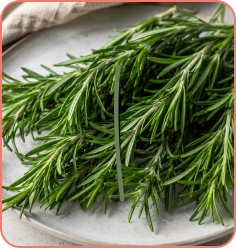
HUMAN CLINICAL TRIAL
A six-month randomized trial found a significant increase in hair count among participants using rosemary oil.

HUMAN-FOLLICLE STUDY
Red ginseng may support hair growth and the natural hair-growth cycle.
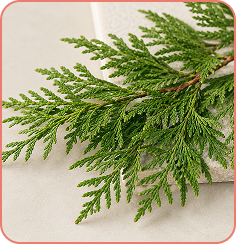
HUMAN TOPICAL STUDY
Human research found that topical Thuja orientalis extract affected the follicle growth cycle and promoted an earlier active-growth phase.
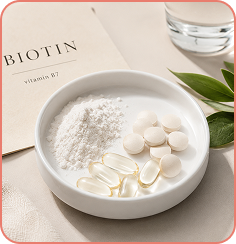
ESSENTIAL VITAMIN REVIEW
Biotin is essential for normal hair health, and deficiency can contribute to hair loss. It helps support stronger, thicker, fuller-looking hair.
This research gave us a clear standard: a serious scalp serum should be judged by the ingredients inside it, the evidence supporting them and whether the formula is actually designed to reach the scalp.
OUR SCALP-CARE RECOMMENDATION
For a practical, root-focused step, we recommend SLEEQ Hair Growth Serum 4-in-1.
It combines Korean ginseng, rosemary, thuja leaf and biotin in one lightweight, leave-in formula designed to support healthier-looking roots, reduced breakage and visibly fuller-looking hair.
The precision applicator places the serum directly along the hairline, part and desired scalp areas. Its non-oily, non-sticky finish means it can be applied at night or before starting the day without leaving the roots looking greasy.
It does not require another wash, another complicated treatment or another hour in the bathroom.
 Korean Ginseng
 Rosemary
 Thuja Leaf
 Biotin
REAL ROUTINES, REAL RESULTS
Each began with a different trigger — then built one consistent scalp step into an already-full day.
CAUSE · A BRUTAL WORK QUARTER
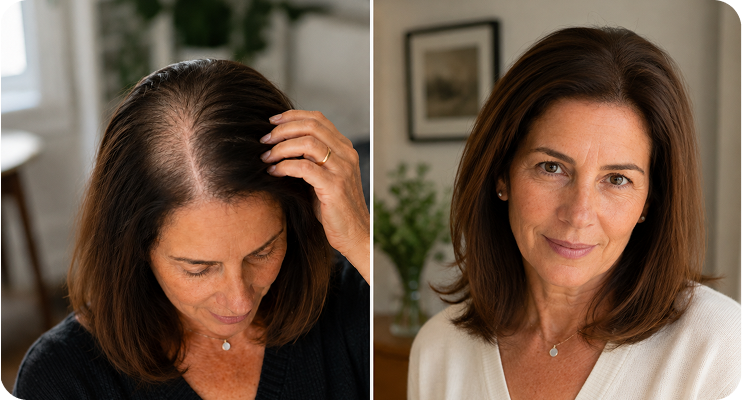
“Three months after a brutal work quarter, my part looked wider and I was finding hair everywhere. I kept the routine simple and stayed consistent at night. My roots look noticeably fuller now.”
Renée, 55CAUSE · POOR SLEEP & CAREGIVING
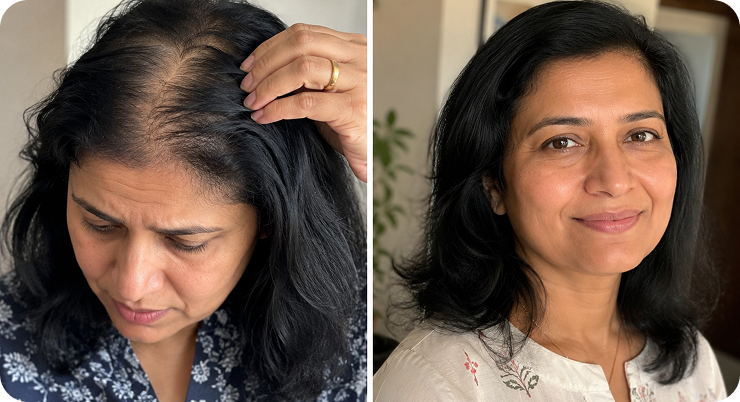
“Months of broken sleep caught up with me later. I stopped rotating through new products and focused on one easy scalp step. I am seeing much less hair in my brush now.”
Priya, 44CAUSE · A STRESSFUL MOVE
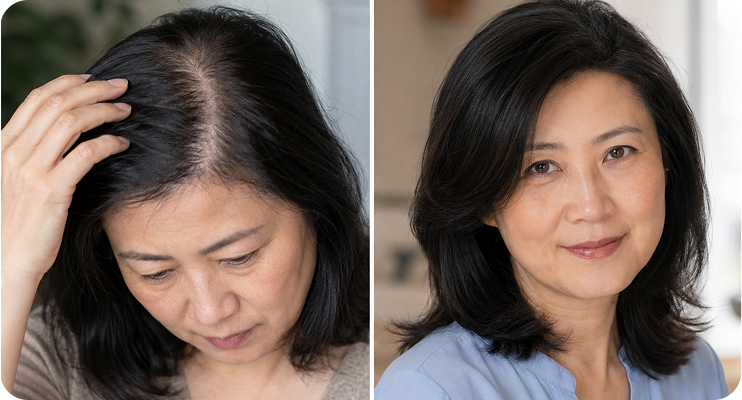
“The shedding started after the move was already over, which confused me. A quick leave-in routine was realistic enough to keep doing, and my ponytail feels fuller again.”
Danielle, 41CAUSE · HORMONAL CHANGES & WORK STRESS
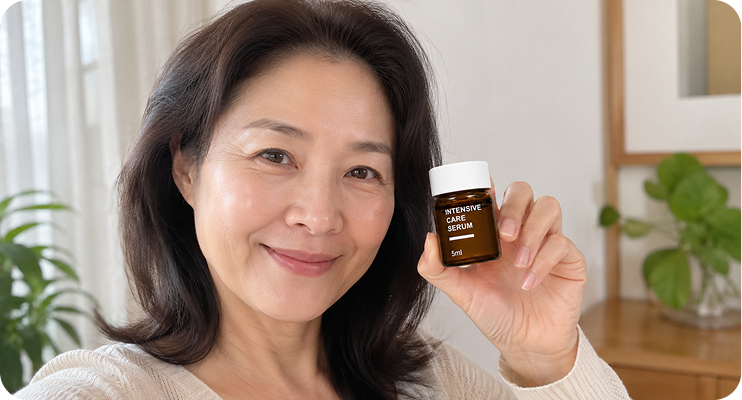
“I kept buying volume products because my roots looked flatter. What helped me most was finally treating scalp care like part of my nightly routine instead of another styling step.”
Laura, 52CAUSE · MONTHS OF POOR SLEEP
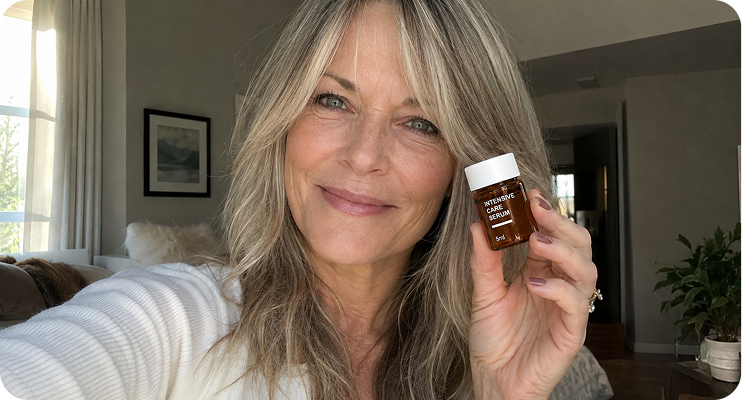
“My part slowly became more noticeable during a long stretch of poor sleep. I wanted something lightweight and simple. Staying consistent has made my hair look healthier at the roots.”
Sofia, 57CAUSE · RECOVERY AFTER ILLNESS
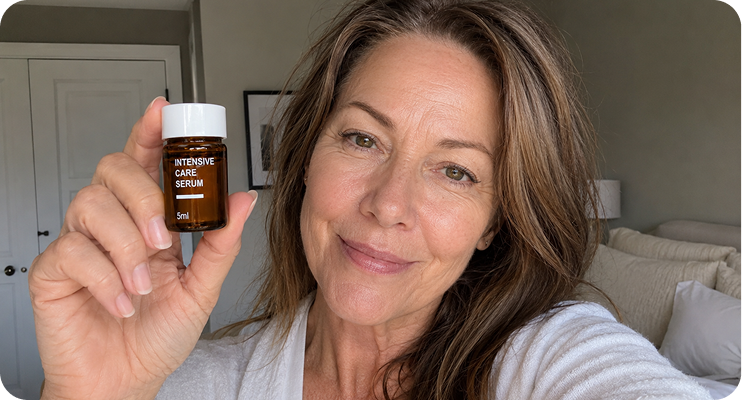
“Stress cannot always be removed overnight. But a simple, consistent scalp-care step can start tonight. Give the roots the same daily attention already being given to the finished style.”
Rose, 45