ScalpScience

Your trusted source for hair health

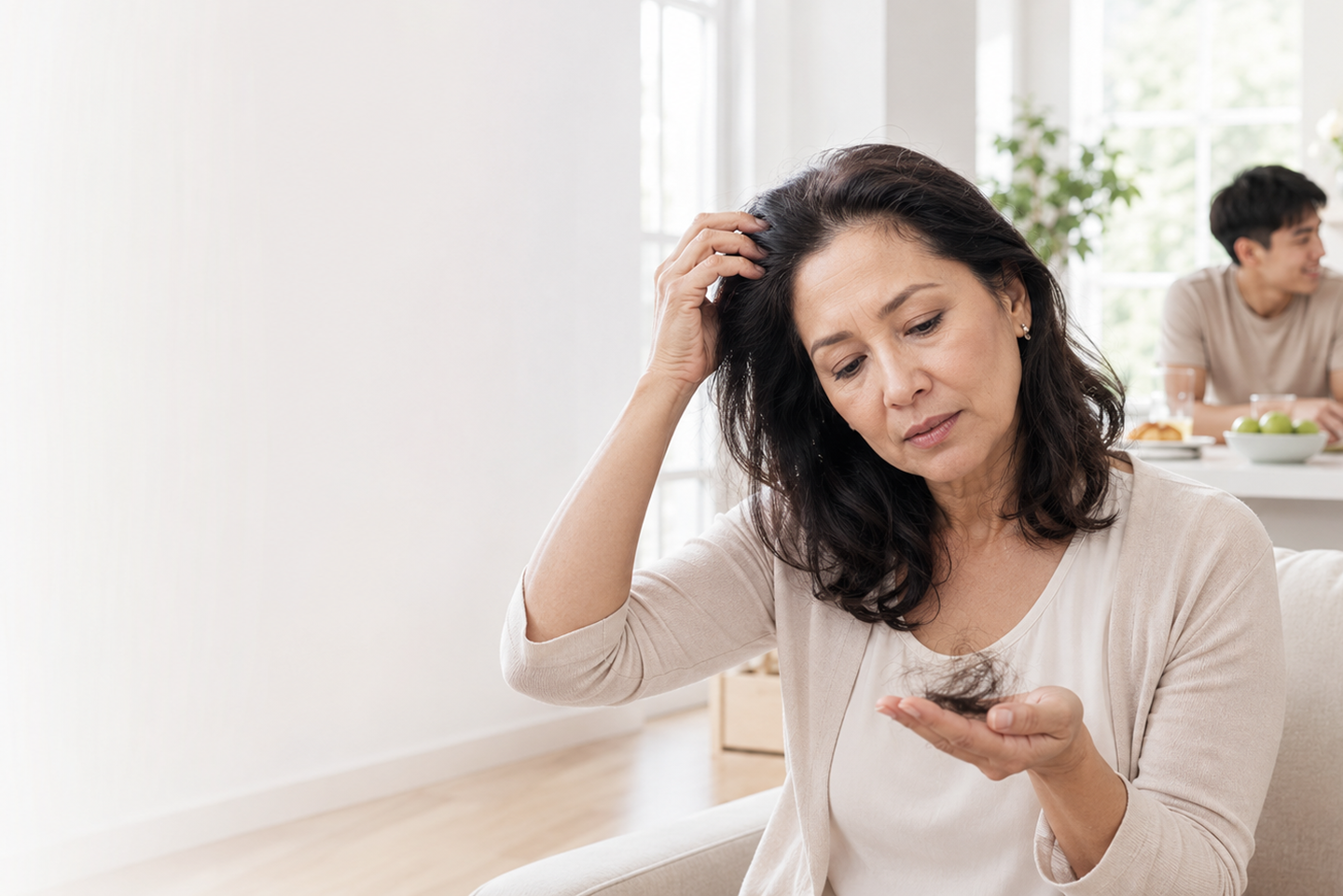
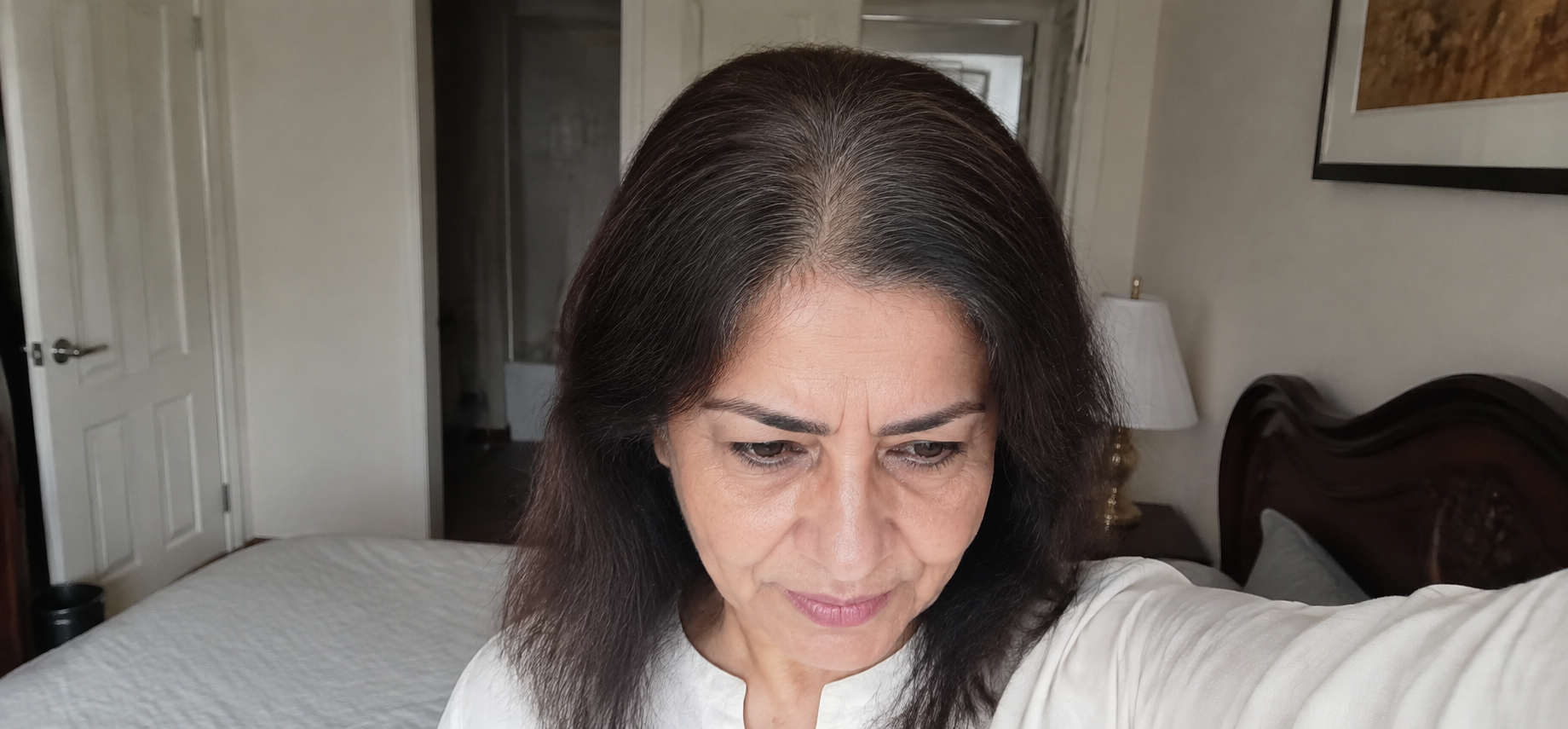
Woman noticing thinning hair

Menopause
changed
your hair.This helps you
take it back.

Understand how it works
You may be wondering if…

Here are the 2 reasons your hair may suddenly feel thinner, weaker, and less full.

As a woman, your body naturally has certain levels of estrogen (the female hormone) and androgens (male hormones).

During perimenopause and menopause, estrogen levels decline while androgen levels remain stable. This disrupts the body's normal hormone balance. More androgens bind to receptors in the follicles, sending the follicle the wrong growth instructions.

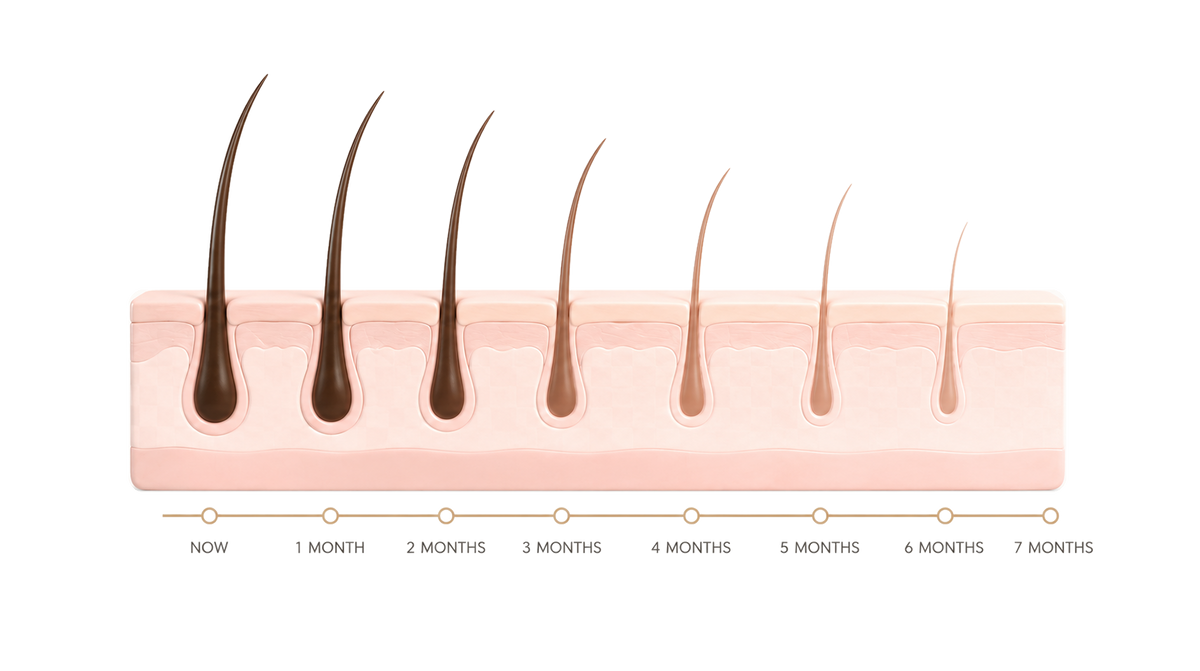
Over time, this shrinks the follicles, causing each new hair to grow back finer, shorter, and weaker. This is why you see thinning.

Hair follicle illustration

More hairs leave the growth phase and enter the resting phase.

The resting phase is the stage when a hair stops actively growing but stays in the follicle for a while. After this resting period, the old hair is released and falls out - that's why you're seeing an increase in shedding.
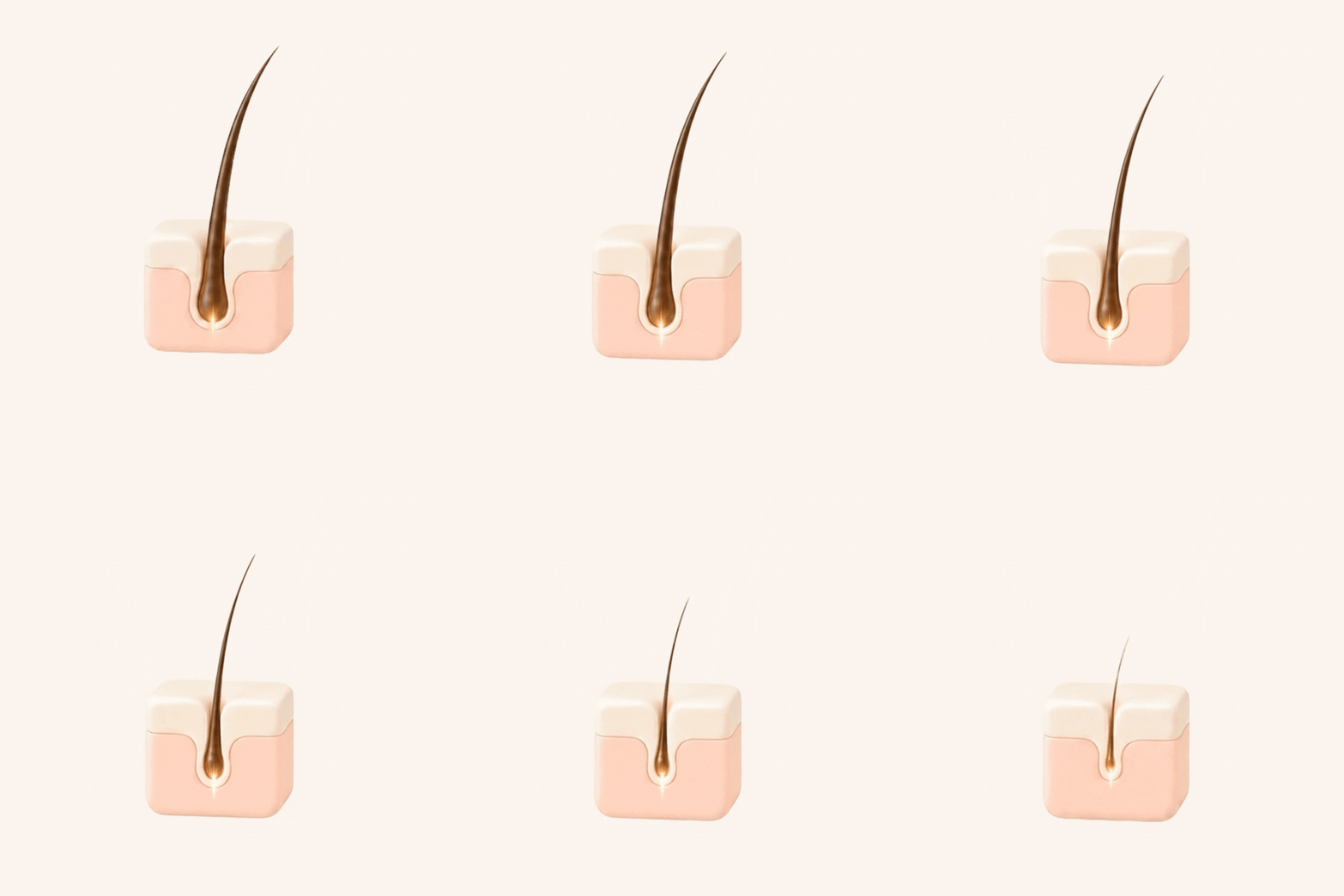
Hair follicle illustration

When estrogen drops, hair thinning begins.

The pre-menopausal shift disrupts your natural estrogen flow, causing hormonal imbalance. Over time this shrinks the follicles, so each new hair grows back finer, shorter, and weaker. This is why you're thinning.

The real problem

Why other brands are lying to you: they let you focus on hair strands while the follicles are the problem.

Many hair masks, shampoos, and conditioners promise to make thinning hair look thicker - but most only work on the hair you already have. They coat and smooth the outside of each strand, reducing frizz, dryness, and breakage while creating the temporary appearance of fuller, healthier hair. Once that layer washes away, the underlying problem remains: more hairs may still be shedding, and new hairs may still grow back finer and weaker.

That is because true hair density is determined beneath the scalp, inside the hair follicle - not on the surface of the hair strand.

Instead of simply covering up the visible signs of thinning, my approach is designed to support the scalp and follicles where healthy hair growth begins. The goal isn't to make your existing hair look better temporarily, but to address the factors contributing to shedding and thinning at their source.

Hair-care product composition

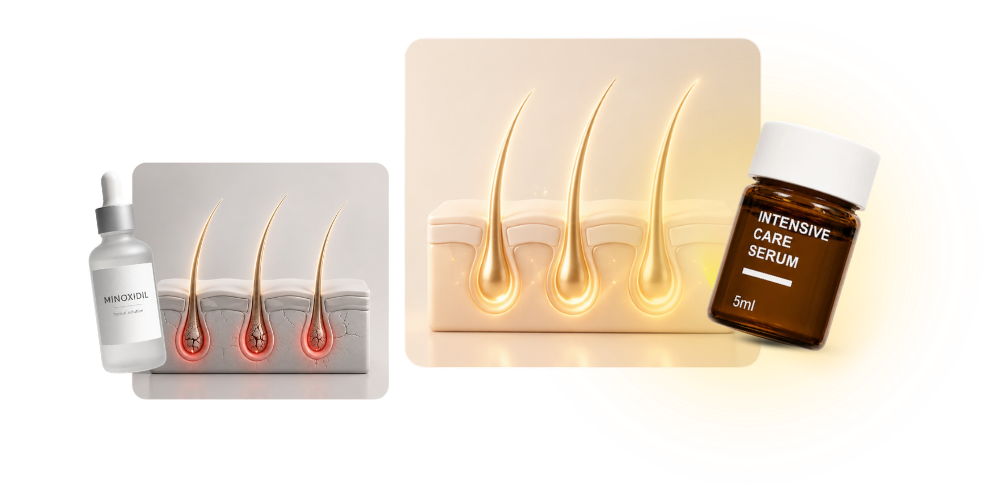
4 reasons I don't recommend chemical solutions like Minoxidil:

Comparison of scalp-care products and follicle illustrations

Only temporary

Results last only while you keep applying it. Stop, and the shedding tends to return within months.

Scalp irritation

Dryness, itching, redness, and flaking are common - especially on sensitive, menopausal skin.

A forever commitment

It has to be used indefinitely. Any progress reverses the moment you stop, so there's no finish line.

Unwanted side effects

Unwanted facial hair, shedding spikes when starting, and reactions many women would rather avoid.

So, is there a way to support thinning hair

without relying on temporary surface treatments - or committing to a drug like minoxidil?

While hair masks may only disguise the problem and minoxidil can come with drawbacks, many women would rather avoid, there is another approach:

Targeted botanical ingredients chosen to support the scalp and hair follicles where healthy hair growth begins.

Korean Ginseng
Root vitality

Korean Ginseng

contains naturally occurring compounds called ginsenosides. These compounds have been studied for their ability to support the cells around the hair follicle and help protect the scalp from damage caused by free radicals. This helps create a healthier foundation for hair that looks and feels stronger, more resilient, and better supported at the root.

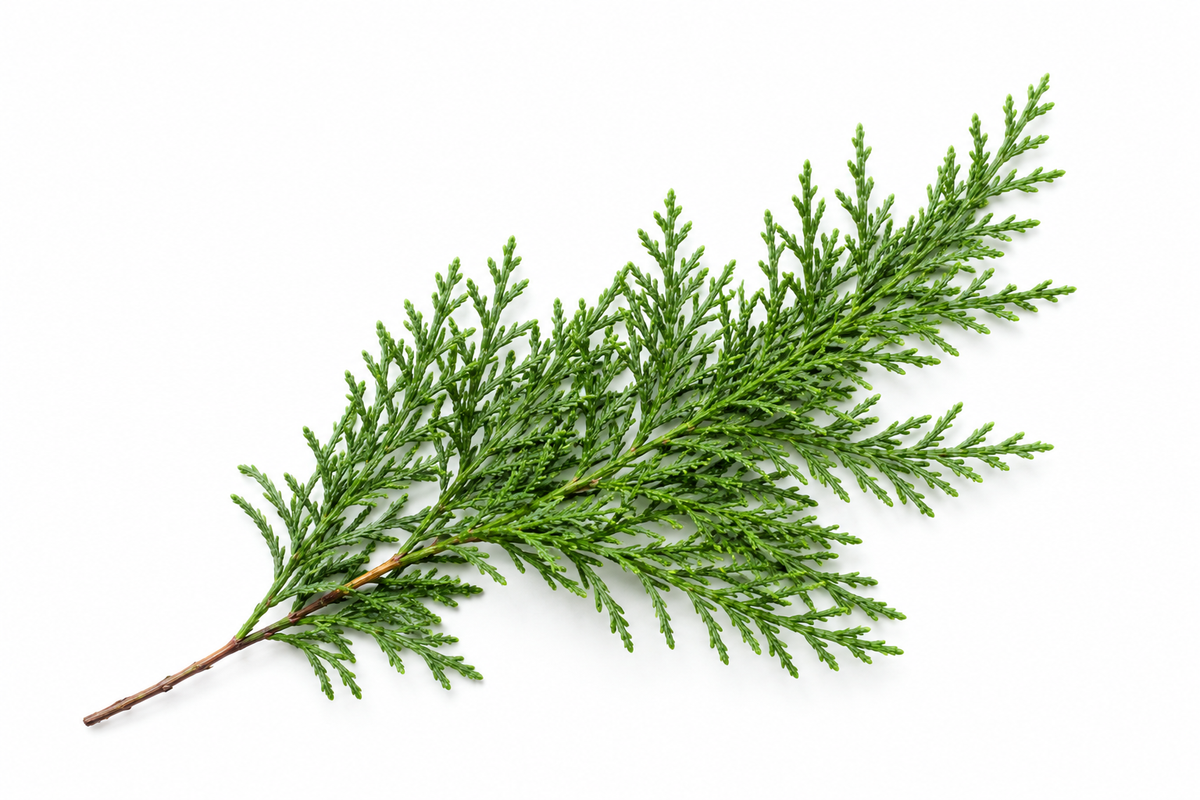
Thuja Leaf Extract
Growth support

Thuja Leaf Extract

Traditionally used in East Asian hair care, is infused into the oil to support weak, fragile, or thinning-looking hair. It complements the formula by helping protect delicate strands from dryness and breakage.

Biotin
Strand strength

Biotin

A building block for keratin - the protein that gives each strand its structure, resilience and shine.

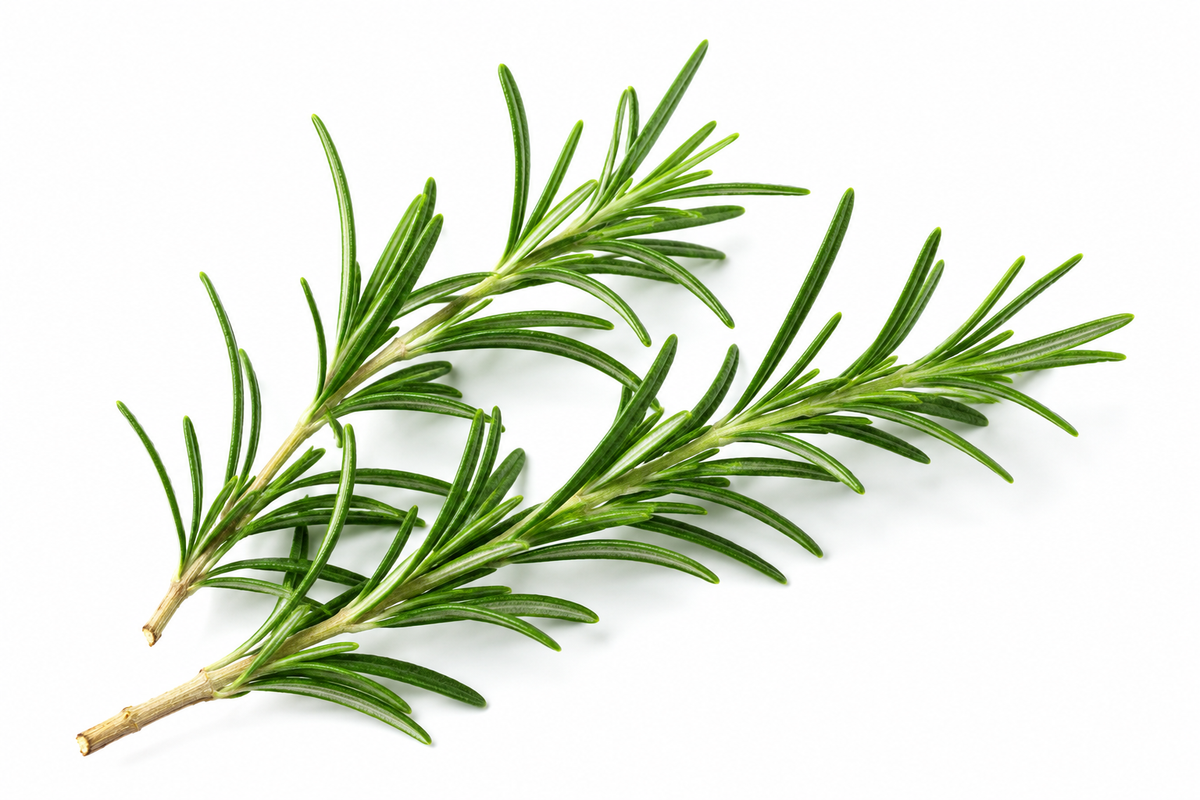
Rosemary Extract
Scalp circulation

Rosemary Extract

Rich in antioxidants that help protect the scalp and hair follicles from environmental stressors such as pollution and UV exposure. It also supports a healthy scalp barrier and circulation around the roots, helping nourish the follicles and improve the look of thinning hair over time.

the solution?

SLEEQ: A ritual that fits the life you already have.

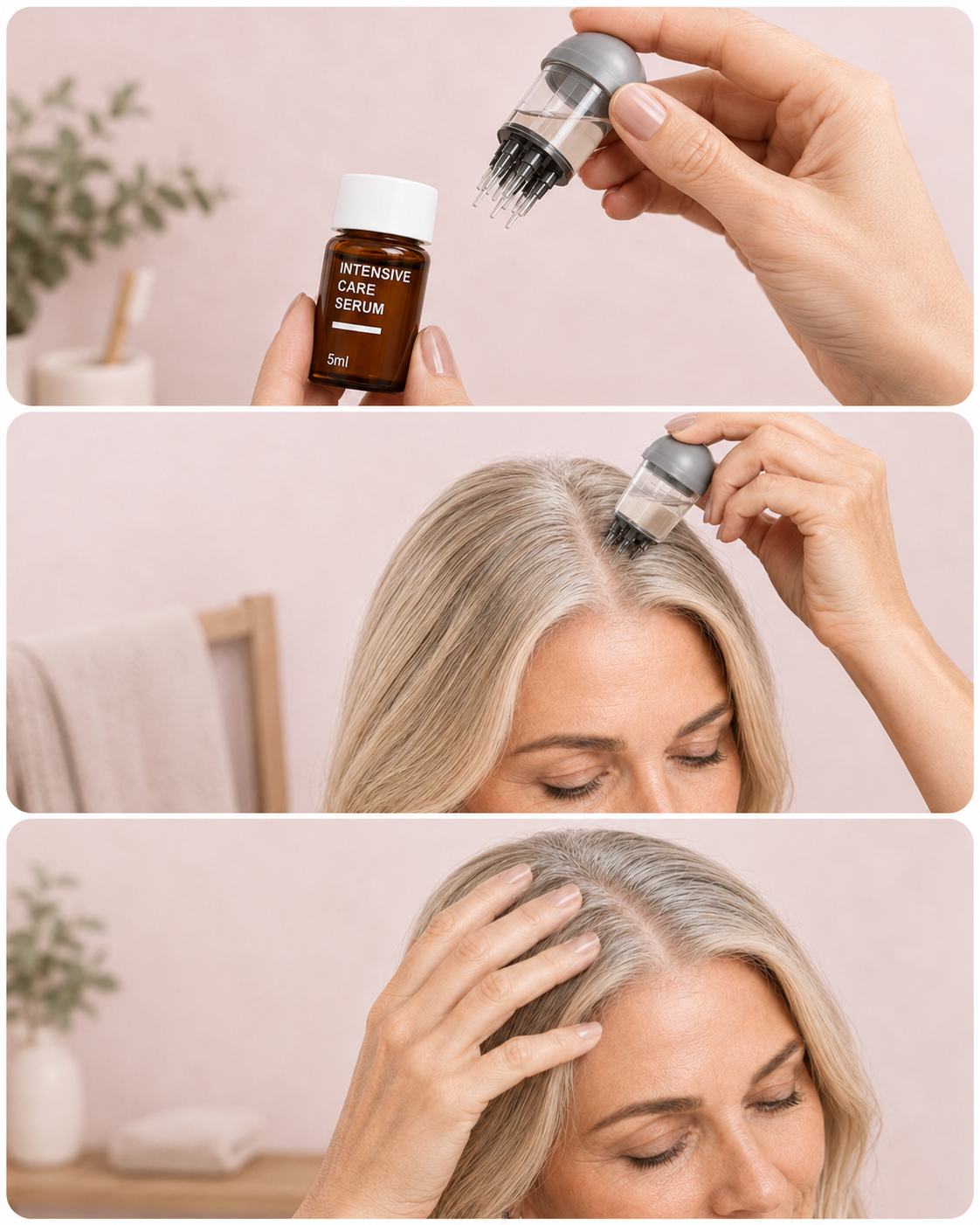
Lightweight and fast-absorbing, SLEEQ Hair Serum is never sticky or greasy. Your roots stay clean, so it slips into your morning without a second thought.

  1. 1

    Fill the applicator

    Twist one vial into the precision applicator, pre-measured, mess-free, exactly enough for one application.

  2. 2

    Trace your part & hairline

    Glide it directly along the scalp where thinning shows most the part, the temples, the front hairline.

  3. 3

    Massage in & let it absorb

    Work it in with the applicator or fingertips. It disappears in seconds and leaves hair clean and touchable.

Fill the applicator, apply along the scalp and massage
What to expect

So, here's what you may notice with consistent daily use of SLEEQ Hair Growth Serum - especially if perimenopause or menopause has left your hair feeling thinner, weaker, or more prone to shedding.

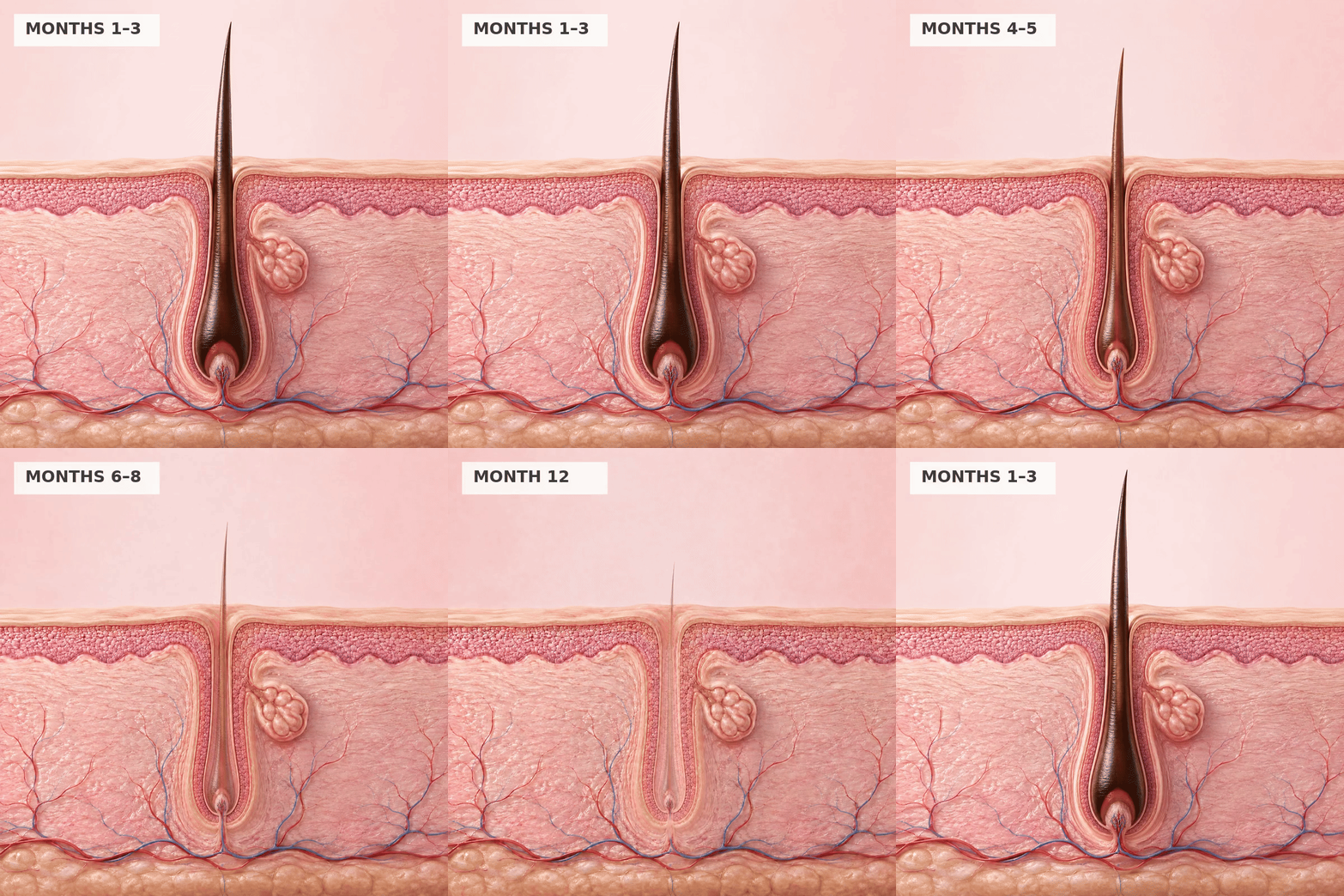
Animated hair follicle illustration
Look & feel of fullness28%
YOUR 12-MONTH ARC

Months 1–3

28%

Scalp tends to calm and shedding starts to slow.

Months 4 & 5

52%

Fine new hairs can appear at the hairline and part.

Months 6–8

78%

Strands catch up — thicker, stronger, denser-looking.

12 months

95%

Fuller density tends to settle into its healthiest look.

* Individual results may vary.

Loved by women in their silver years

Real change, described in their words.

Sample review copy for layout - add each customer's photo and replace with verified reviews before publishing.

Customer photo
★★★★★
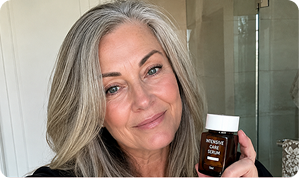
"After menopause my part just kept getting wider. Six weeks in and I can actually see little new hairs at the front. I nearly cried."

Kelly, 54

Verified customer

Customer photo
★★★★★
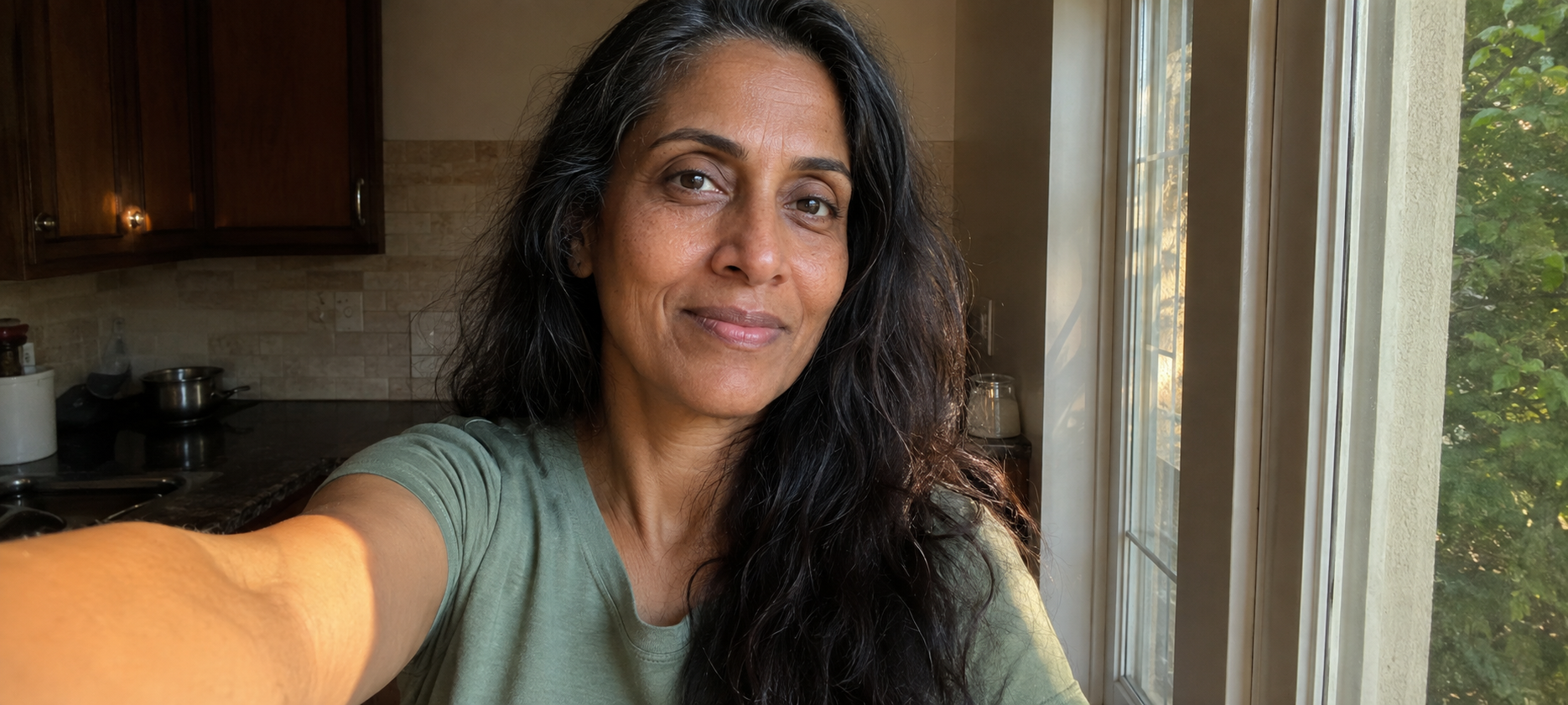
"I have gorgeous silver hair now and I wasn't about to hide it - I just wanted more of it. This fits into my morning and never leaves my roots oily."

Sherrie, 61

Verified customer

Customer photo
★★★★★
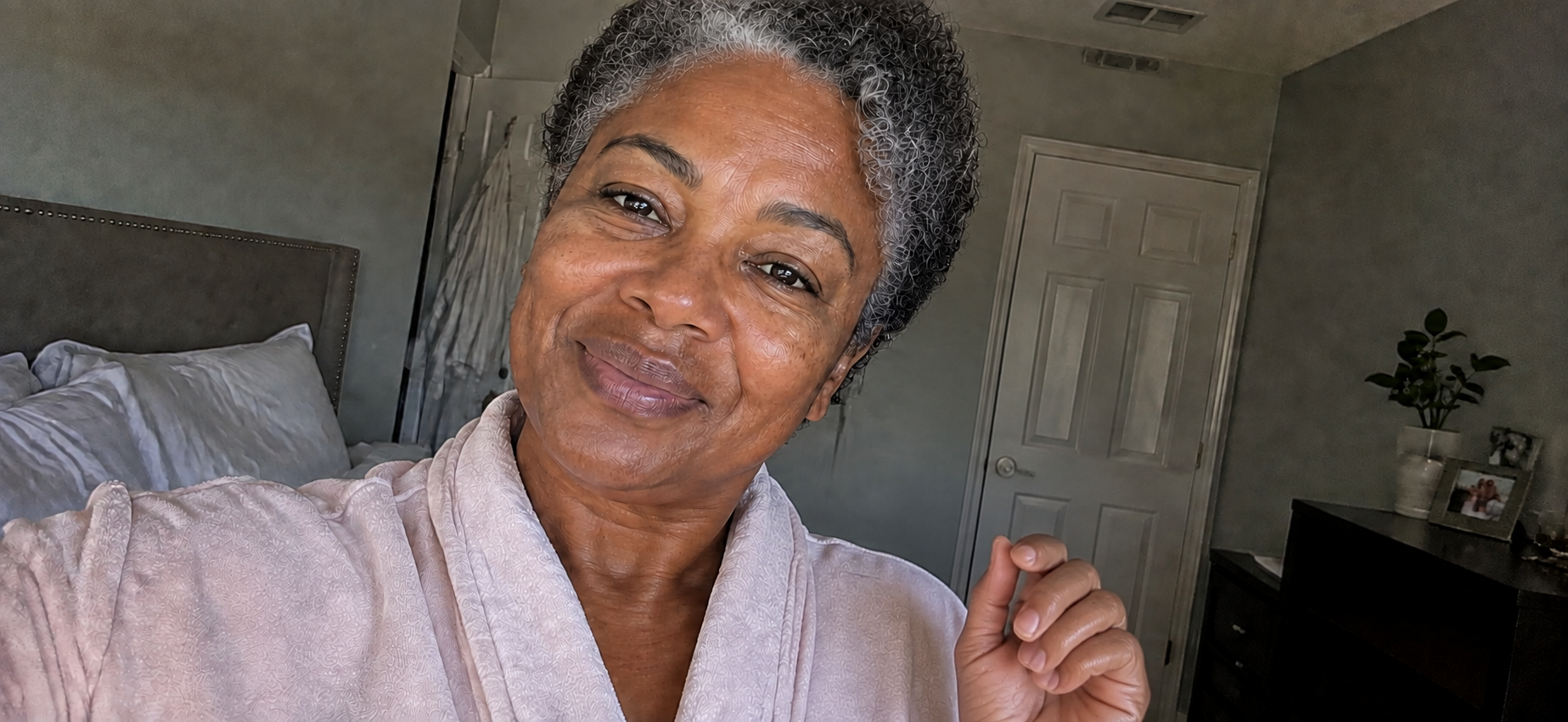
"The applicator makes it so easy to get right onto the scalp. My hairdresser noticed the regrowth before I even mentioned it."

Heather, 58

Verified customer

Customer photo
★★★★★
"I'd tried the expensive clinics. This is the first thing that felt gentle, natural and actually made a difference to my shedding."

Hillary, 49

Verified customer

Customer photo
★★★★★
"Light, no smell, no grease. It's become my little daily ritual and my hair feels thicker at the temples where it was worst."

Valerie, 63

Verified customer

Customer photo
★★★★★
"Menopause took a lot from me. Getting some of my hair back gave me a bit of myself back too. Worth every penny."

Miranda, 57

Verified customer

Good to know

Your questions, answered.

Is it hormonal or medicated?

No. The serum is built around botanicals — Korean ginseng, thuja leaf extract, rosemary and biotin — with no added hormones and no minoxidil. It's designed as gentle, daily scalp care.

Will it work on silver, grey or colour-treated hair?
How long until I see a difference?
Is it greasy? Can I use it in the morning?
What if it doesn't work for me?
ABOUT SCALPSCIENCE

Hair health, explained for your next chapter

ScalpScience is an independent health desk covering hair and scalp for women in midlife — the thinning, dryness and texture changes that arrive with perimenopause and menopause. Every piece is reviewed by board-certified dermatologists, so you get evidence you can act on instead of marketing claims.

ScalpScience is an independent health desk covering hair and scalp for women in midlife — the thinning, dryness and texture changes that arrive with perimenopause and menopause. Every piece is reviewed by board-certified dermatologists.

  • Dermatologist-reviewed
  • Evidence-based
  • Written for menopause
More from ScalpScience
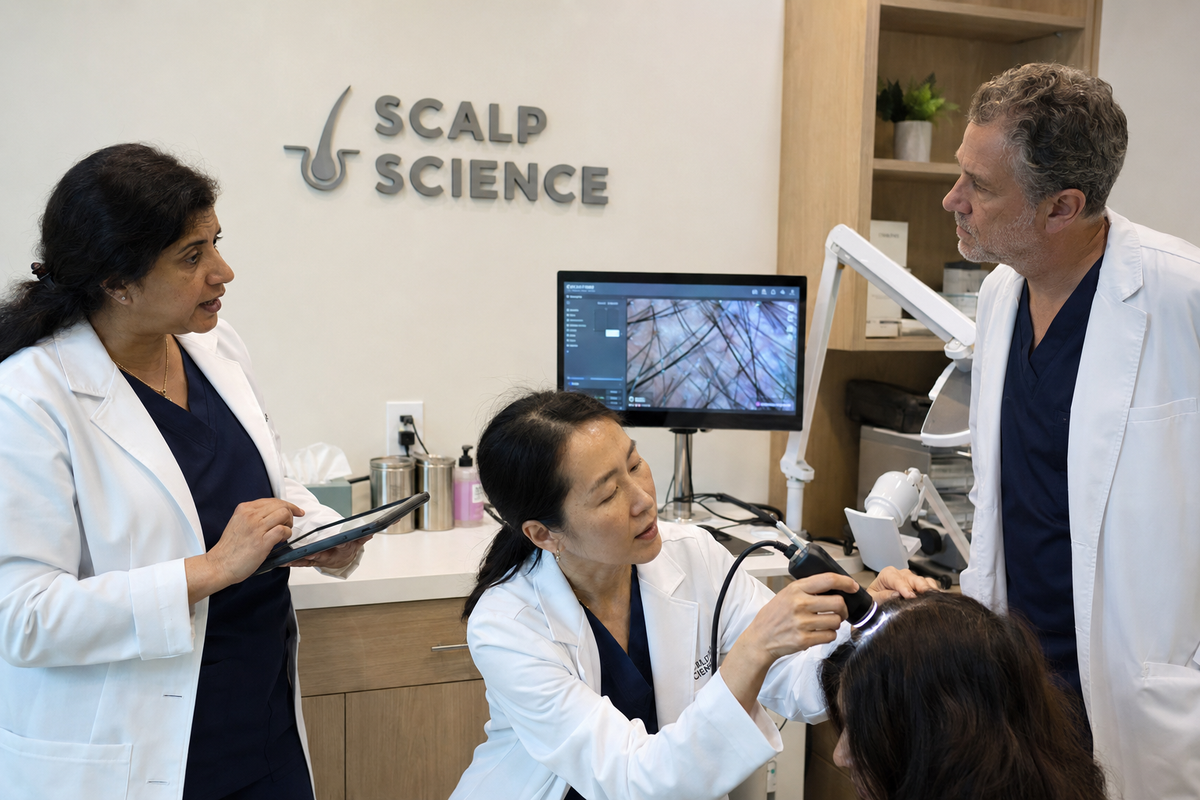
ScalpScience team examining a patient’s scalp